

Why Avoiding Anxiety Makes It Worse: What Somatic Therapy Does That Quick Fixes Don’t
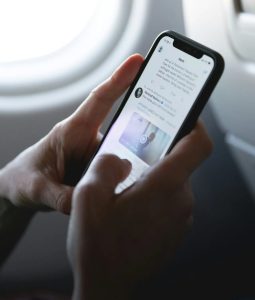
Yet another night and there you are scrolling Instagram when you promised yourself you’d go to sleep an hour ago. You come across another post about “10 ways to eliminate anxiety!” and you think… wait, I already tred that breathing thing. And the gratitude journal. And that meditation app I paid for but only used twice…
Here’s what none of those posts are telling you: avoiding anxiety is actually making it worse.
I can practically hear you through the screen right now. “WHAT??? But I thought I was SUPPOSED to avoid my triggers? Isn’t that what self-care is?”
Yeah, that’s what I thought too (for way too long, honestly). But here’s the thing about avoiding anxiety that nobody wants to say out loud: every time you reorganize your life to dodge uncomfortable feelings, you’re teaching your brain that those feelings are actually dangerous. And your world gets smaller. And the anxiety gets louder. And eventually you’re avoiding so much stuff you can’t remember what you actually wanted in the first place.
This article explores anxiety avoidance from a somatic therapy perspective (which basically means we’re going to talk about why your body won’t let you relax even though your brain knows you’re “fine”). We’ll cover how facing your anxiety with the right support, rather than perfecting your avoidance strategies, can actually provide relief when all those breathing exercises haven’t worked.
Quick Answer
Avoiding anxiety makes it worse because your brain interprets avoidance as confirmation that the thing you’re afraid of is actually dangerous. Every time you dodge a trigger, cancel plans, or distract yourself, you’re teaching your nervous system that anxiety is something to fear. Somatic therapy helps you work WITH your anxiety instead of against it, addressing the root nervous system patterns keeping you stuck.

What “Avoiding Anxiety” Actually Looks Like (And Why You Don’t Even Know You’re Doing It)
Let me paint you a picture. You’re invited to a party (your friend Sarah’s birthday, you already said you’d go like three weeks ago). Your immediate first thought isn’t “oh fun!” It’s “how do I get out of this without looking like a terrible person?”
Not because you don’t like Sarah. Not because you don’t want to celebrate her. But because social situations trigger your anxiety and you’ve learned that staying home in your pajamas watching Netflix feels way better than small talk with people you barely know while holding a drink you’re not even enjoying.
Or maybe it’s 10:23 PM (why is it always between 10 and midnight?) and you’re lying in bed replaying that conversation from Tuesday where you KNOW you said something awkward. Instead of just feeling the cringe and moving on, you grab your phone and scroll TikTok until 1 AM because distraction feels better than feeling.
Here’s what avoiding anxiety looks like in real life (and I bet you’re doing at least half of these):
- Saying you’re “too busy” when the truth is you’re too anxious (and you know it)
- Canceling plans at the last minute and feeling this weird mix of relief and guilt
- Keeping yourself SO busy you don’t have time to actually feel anything (hello, productivity as avoidance)
- Scrolling social media or binge-watching entire Netflix series to numb out (just one more episode turns into five)
- Having that glass of wine every night to “relax” (which has somehow become two or three)
- Never trying new things because “what if it doesn’t work out?” (even though you’re bored with your current life)
- Making every single decision based on what WON’T make you anxious instead of what you actually want
- Avoiding conversations that desperately need to happen because confrontation feels absolutely terrifying
- Organizing your entire calendar around what feels “safe” (which is getting smaller every week)
Sound familiar?
You’re not lazy (I need you to hear that). You’re not broken. You’re not being dramatic. You’re just stuck in a pattern where avoiding anxiety has literally become your full-time job, and honestly? It’s exhausting. More exhausting than actually facing the thing would be (but your brain doesn’t believe me yet, and that’s okay).
Why Your Brain Keeps You Stuck in Avoidance Mode (The Science Part, But I Promise I’ll Make It Make Sense)
Can we talk about what’s actually happening in your brain when you avoid anxiety? Because once you understand this, everything else will click into place (or at least make more sense than it does right now).
Your nervous system has exactly one job: keep you alive. That’s it. It doesn’t care if you’re happy, fulfilled, or living your best life. It just wants you to survive until tomorrow.
So when you feel anxious about something (giving a presentation at work, having a difficult conversation with your partner, meeting your friend’s new boyfriend, literally ANYTHING your brain decides counts as “dangerous”), your fight-or-flight response kicks in. Heart racing? Check. Palms sweating? Yep. That awful stomach flippy thing? Oh yeah, that too.
In that moment, you basically have two choices:
- Face the anxiety and push through (feels absolutely terrible, brain screaming “DANGER DANGER DANGER”)
- Avoid the situation entirely (immediate relief, brain goes “oh thank god we’re safe now”)
Here’s the problem (and why you keep getting stuck): when you avoid the thing making you anxious, you get instant relief. Like, immediate. Your heart rate slows down. The stomach flips stop. You can finally breathe normally again. You feel SO much better.
And your brain (bless its overly protective little heart) learns: “Oh! Avoiding=safe. Got it. I will remember this for next time.”
Every single time you avoid something because of anxiety, you’re literally training your nervous system that the thing you’re avoiding is actually dangerous. You’re confirming your brain’s worst fears. You’re teaching yourself that you CAN’T handle it, that you NEED to stay away, that the anxiety was absolutely RIGHT to warn you.
(It’s like when you were a kid and you avoided the dark basement and your brain learned “basements = scary.” Except now you’re doing it with… everything.)
Fast forward six months (or honestly, sometimes six weeks) and now you’re avoiding:
- Social events (because what if you say something awkward and everyone thinks you’re weird?)
- Job opportunities (because what if you try and fail and prove you’re not actually that capable?)
- Relationships (because what if you let someone in and they hurt you or worse, they see the real you and leave?)
- Anything new or unfamiliar (because change feels terrifying and the familiar feels safe even when it’s miserable)
The anxiety keeps expanding like some kind of invasive weed. The “safe zone” keeps shrinking (last year it was just parties, now it’s also grocery stores and phone calls). And you end up living this smaller and smaller life, just trying to manage your nervous system’s overreactions.
Truth is, avoiding anxiety doesn’t make it go away. It just teaches your brain to be afraid of more and more things until you’re afraid of basically everything (including things you used to do without even thinking about it).
Tired of organizing your entire life around what won’t trigger your anxiety? You deserve to make choices based on what you actually WANT, not just what feels safe in the moment.
Ready to break the avoidance cycle? Learn how individual therapy at Be Seen Therapy can help you face your anxiety with support instead of white-knuckling through it alone.
The Avoidance Trap: How It Shows Up in Real Life
Let me tell you about a client I worked with a few years ago (I’m calling her Jessica because approximately 60% of my clients are named some version of Jess or Jessie, which is wild but also very on-brand for New Jersey moms).
Jessica came to therapy saying she was “just stressed about work.” That’s what she told me in our first session. Work stress. That’s it.
Here’s what was actually happening: Jessica had declined every single social invitation for the past six months. Every. Single. One. She’d stopped dating entirely (told herself she was “too busy”). She worked from home and literally left her house only for Target runs and Trader Joe’s (and even then, she’d go at 8 AM on a Tuesday to avoid running into anyone she knew). She used self-checkout to avoid small talk with cashiers. She told herself she was just “busy” and “needed alone time to recharge” (which, to be fair, introverts DO need that).
But the truth? She was avoiding anxiety so successfully that she didn’t even realize she was doing it anymore. It had become her normal.
Her nervous system had learned this equation: people = potential judgment = danger. So she avoided people. Which made her MORE anxious about social situations because she was so out of practice (six months of not having a real conversation will do that). Which made her avoid even MORE people. Which made the anxiety about people even WORSE.
See the trap? It’s like quicksand, but the anxiety kind.
By the time she came to therapy, she was literally living in a 2-mile radius (home, Target, Trader Joe’s, that’s it). She’d turned down a promotion because it required occasional in-person meetings. She’d stopped calling her mom back because phone conversations felt overwhelming. She’d convinced herself this was “managing her anxiety” because she’d figured out how to avoid all her triggers.
This is what chronic anxiety avoidance creates (and I see this pattern at least three times a week):
- Your world gets smaller and smaller (sometimes literally, like Jessica’s 2-mile radius)
- Things that used to be easy become absolutely terrifying (calling to make a dentist appointment becomes a three-day ordeal)
- You stop trusting yourself to handle ANY discomfort (because you’ve been avoiding it for so long)
- Your brain gets more and more sensitive to potential “threats” (suddenly everything feels dangerous)
- You feel increasingly isolated and stuck (but also somehow “safer” in your isolation?)
- The anxiety expands to fill every single corner of your life (like that black mold you found behind the bathroom sink that one time)
And here’s the really messed up part (this is what makes me want to shake some sense into people’s nervous systems, lovingly): Jessica felt like she was MANAGING her anxiety. She thought she had it under control. She’d figured out her triggers and eliminated them. Problem solved, right?
Wrong. So wrong.
Control through avoidance isn’t control. It’s a prison, but like, one of those prisons with really nice Pinterest-worthy decorating so you don’t notice you’re trapped until you try to leave and realize the door’s been locked from the inside this whole time.
What Actually Works: How Somatic Therapy Helps You Face Anxiety (Without Making You Feel Like You’re Dying)
So here’s where I’m supposed to tell you to “just face your fears!” and throw yourself into everything that makes you anxious like some kind of exposure therapy boot camp, right?
Wrong. Don’t do that. Seriously, don’t. (I’ve seen too many people try this and just end up more traumatized and more convinced they’re broken.)
Somatic therapy doesn’t ask you to suddenly become brave or “get over it” or expose yourself to your worst fears all at once like you’re training for some kind of anxiety Olympics. That’s not how nervous systems work (turns out you can’t just yell at your body to calm down, who knew?). And frankly, that approach usually makes things way worse.
Instead, somatic therapy in Scotch Plains teaches you to work WITH your anxiety instead of against it. Here’s what that actually looks like in practice (not in theory, in actual real-life therapy sessions):
1. Learning to Feel Anxiety in Your Body (Without Immediately Freaking Out About It)
Your anxiety doesn’t just live in your thoughts. It lives in your body. Maybe it’s that chest tightness that makes you think you’re having a heart attack (you’re not, but your body is CONVINCED). Or the racing heart. Or that pit in your stomach that feels like you swallowed a bowling ball.
Somatic therapy helps you notice these sensations without immediately trying to make them go away (which I know sounds terrible, but stick with me). We’re literally teaching your nervous system: “This feeling is uncomfortable, yes. But uncomfortable and dangerous are not the same thing. You can tolerate this without running away or numbing out.”
(It’s awkward and a little uncomfortable at first…I’m not going to lie. Sitting with discomfort on purpose feels absolutely backwards.)
2. Building Your Window of Tolerance (Slowly, Gently, Without Traumatizing You Further)
Think of it like exercise, but for your nervous system. You don’t go from never running to attempting a marathon, right? That would be ridiculous. You’d hurt yourself. Same concept here.
We start with things that are slightly uncomfortable but manageable (like maybe texting back instead of calling, or going to the grocery store at a less busy time). Your nervous system gets to practice this revolutionary new skill: “Hey, I handled that. I didn’t die. I was actually okay.”
Then we gradually (like, really gradually, no rushing) work up to bigger challenges. Your window of what you can tolerate expands bit by bit. The things that used to send you into full panic mode become… still annoying, honestly, but manageable. Like, you can do them while anxious instead of waiting for the anxiety to go away first (spoiler: it never goes away if you just wait).
3. Addressing the ROOT Patterns (Not Just Slapping a Band-Aid on Your Symptoms)
Here’s what traditional anxiety therapy often misses (and this is important): your avoidance patterns didn’t just show up randomly one Tuesday for no reason. They started as a genuinely smart protective strategy when you were younger.
Maybe expressing emotions wasn’t safe in your family (so you learned to stuff everything down and avoid feeling). Maybe you were criticized a lot as a kid (so you learned to avoid any situation where you might fail or look stupid). Maybe something traumatic happened and your nervous system is STILL stuck in “protect at all costs” mode even though the original danger ended years ago.
Somatic therapy helps you understand WHY your nervous system developed these patterns in the first place (they made sense! They kept you safe!), and then teaches it that those old strategies aren’t needed anymore. You get to update your internal software, basically. Like when your iPhone keeps nagging you to update and you finally give in (except this update actually makes things work better instead of just moving all your apps around).
4. Practicing Presence Instead of Avoidance (The Hardest Part, Honestly)
This is the big one. The one that makes people want to quit therapy and go back to their comfortable avoidance patterns (I get it, truly).
We teach you to stay WITH discomfort instead of running from it. Not because discomfort is fun (it’s absolutely not, anyone who tells you otherwise is lying). But because the only way through anxiety is… through it. Over it doesn’t work. Around it doesn’t work. Under it definitely doesn’t work (tried that, 0/10 would not recommend).
When you can sit with an uncomfortable feeling for even just 30 seconds without immediately trying to fix it, avoid it, numb it, or make it go away, something shifts. Your nervous system starts to learn: “Oh. Huh. This isn’t actually an emergency. This is just uncomfortable. Uncomfortable is different from dangerous. I can handle uncomfortable.”
That’s when real, lasting change happens. (Not immediate change. Not miraculous overnight transformation. But real, sustainable, “holy crap I just did something I’ve been avoiding for three years” kind of change.)
The Difference Between Healthy Boundaries and Anxiety-Driven Avoidance (This One’s Tricky)
Okay, but wait. You might be thinking: “So I should just force myself to do everything that makes me uncomfortable? That sounds absolutely miserable and also like terrible advice.”
No. That’s not what I’m saying at all (and if that’s what you’re hearing, we need to back up and clarify).
There’s a huge difference between healthy boundaries (saying no because something doesn’t align with your values, needs, or capacity) and anxiety-driven avoidance (saying no because you’re scared of how you might feel).
Let me give you some examples because this gets confusing fast:
Healthy boundary: “I’m not going to that party because I’m genuinely exhausted from a 60-hour work week and I need to rest or I’ll actually get sick.”
Anxiety avoidance: “I’m not going to that party because what if I say something stupid and everyone thinks I’m weird and then they all talk about me after I leave and I can literally picture them laughing about how awkward I am?”
(See how one is about taking care of your actual needs and the other is about avoiding your imaginary catastrophic future?)
Healthy boundary: “I’m ending this relationship because it’s emotionally manipulative and unhealthy for me, and I deserve better.”
Anxiety avoidance: “I’m ending this relationship before they realize I’m not actually good enough and leave me first. If I leave now, at least I’m in control of getting hurt.”
Healthy boundary: “I need two hours of alone time today to recharge my introverted battery because I’ve been around people nonstop and I’m completely drained.”
Anxiety avoidance: “I need to isolate myself so no one can see that I’m struggling or judge me or get close enough to hurt me or realize I’m a mess underneath this ‘I’m fine’ facade.”
Healthy boundary: “I’m not taking that job because the commute is 90 minutes each way and that’s unsustainable for my family life.”
Anxiety avoidance: “I’m not applying for that job because what if I’m not actually qualified and they figure out I’m an imposter and I fail spectacularly in front of everyone?”
See the difference? One is self-care based on your actual needs and values. One is self-protection that’s actually keeping you stuck and small.
The question to ask yourself (and this is hard, so be gentle with yourself): “Am I avoiding this because it genuinely doesn’t serve me, or because I’m afraid of how I’ll feel?”
Individual therapy helps you learn to tell the difference. Because sometimes? Sometimes the answer is both. Sometimes you’re exhausted AND anxious. Sometimes the boundary is healthy AND you’re also avoiding your discomfort. Two things can be true at the same time (Our therapists at Be Seen Therapy will say this to you approximately 47 times per session, trust me).

FAQ: Your Questions About Avoiding Anxiety, Answered
Is it ever okay to avoid things that trigger my anxiety?
Yes, sometimes. If you’re in an actual unsafe situation, absolutely avoid it. Your anxiety is doing its job. But if you’re avoiding normal life activities (socializing, trying new things, having important conversations) because of anxiety, that’s when avoidance becomes a problem. The question to ask yourself: “Am I avoiding this because it’s genuinely harmful, or because it’s uncomfortable?”
How do I know if I’m avoiding anxiety or just taking care of myself?
Pay attention to the aftermath. Healthy self-care leaves you feeling recharged and aligned with your values. Anxiety avoidance might bring immediate relief, but it usually comes with guilt, shame, or that nagging feeling that you’re letting fear run your life. If you’re constantly rearranging your life to dodge uncomfortable feelings, that’s avoidance, not self-care.
Can somatic therapy really help with chronic anxiety?
Yes, and here’s why: traditional talk therapy focuses on changing your thoughts. Somatic therapy works with your nervous system directly. Your anxiety lives in your body (racing heart, tight chest, shallow breathing), so we address it where it lives. When your nervous system learns it’s safe to feel uncomfortable sensations without going into full panic mode, the anxiety loses its power over you. This doesn’t mean you’ll never feel anxious again, it means you’ll know how to work with it instead of being controlled by it.
How long does it take to stop avoiding anxiety?
There’s no magic timeline (I wish there was, believe me). Some people notice shifts in a few months, others take longer. It depends on how ingrained the patterns are, how much support you have, and how willing you are to sit with discomfort. What I can tell you: the sooner you start addressing avoidance patterns instead of perfecting them, the sooner you’ll start living a bigger, more authentic life.
What Happens When You Stop Running From Anxiety (The Real Version, Not the Instagram Version)
Here’s what I’ve actually seen happen when people stop avoiding anxiety and start facing it with real support (not just trying to white-knuckle their way through alone):
They take the job they were too scared to apply for (after practicing the interview scenario in therapy like 27 times). They have the hard conversation they’ve been putting off for literally months (and it doesn’t go perfectly, but they survive it). They go to the party and actually kind of enjoy themselves instead of spending the entire time mentally planning their escape route. They try the new restaurant, sign up for the yoga class, download the dating app (and maybe even message someone).
Here’s what doesn’t happen: They don’t become fearless. The anxiety doesn’t magically disappear in a cloud of healing crystals and positive affirmations. They don’t suddenly love doing hard things.
But they learn this absolutely revolutionary skill: doing things WHILE anxious instead of waiting until the anxiety goes away first (spoiler alert: if you’re just waiting it out, the anxiety literally never goes away on its own).
Their lives get bigger. Not perfect. Not anxiety-free. Just… bigger. Their world expands from that 2-mile radius to maybe 10 miles. Then 20. Then “wait, I just booked a flight to visit a friend in another state and only panicked for like 20 minutes instead of three days.”
They start making choices based on their actual values instead of their fears. (What do I want? vs. What feels safest?) They stop organizing their entire existence around avoiding discomfort.
And yeah, sometimes it still sucks. Sometimes they cancel plans because the anxiety wins that particular round. Sometimes they have setbacks where they fall back into old avoidance patterns (hello, pandemic, we’re looking at you). But they’re no longer living in that prison with the nice wallpaper, convincing themselves that small and safe is the same thing as good.
That’s not “cured.” That’s not “perfect.” That’s not “I never feel anxious anymore.”
But it’s free. And freedom, even the messy uncomfortable kind, beats “safe” every single time.
Ready to stop letting anxiety make every single decision for you? You don’t have to figure this out alone (actually, trying to figure it out alone is probably part of why you’re still stuck). And you definitely don’t have to keep living in an increasingly tiny world just to feel “safe.” Learn about somatic therapy at Be Seen Therapy in Scotch Plains, NJ and start working with your nervous system instead of constantly fighting against it. Let’s help you face your anxiety with actual professional support, not just another breathing exercise that doesn’t work or another Instagram post telling you to “just think positive.”
Author Bio
Robyn Krugman, LCSW, specializes in somatic therapy and anxiety treatment in Scotch Plains, New Jersey. With over 20 years of experience and training in AEDP Level 2 and Complex Trauma II, she helps clients understand the mind-body connection and break free from anxiety avoidance patterns that keep them stuck. Robyn knows that facing anxiety doesn’t mean being fearless – it means learning to move forward while scared, with support that actually helps.
Related Posts
- What to Expect in Your First Anxiety Therapy Session
- 100 Anxiety Symptoms Explained | Physical, Mental & Emotional Signs
- Why Am I So Anxious for No Reason? A Somatic Therapist’s Guide for Women in NJ
- Why Anxiety Relief Techniques Stop Working (And What Actually Helps)\
Location Note: Be Seen Therapy serves clients throughout Union County, New Jersey, including Scotch Plains, Westfield, Cranford, Fanwood, and surrounding areas. We offer both in-person therapy at our Scotch Plains office and telehealth options for NJ residents.